European leaders are already cooking up ways to free up the Strait of Hormuz after the war—but their plans may leave out a key ally.
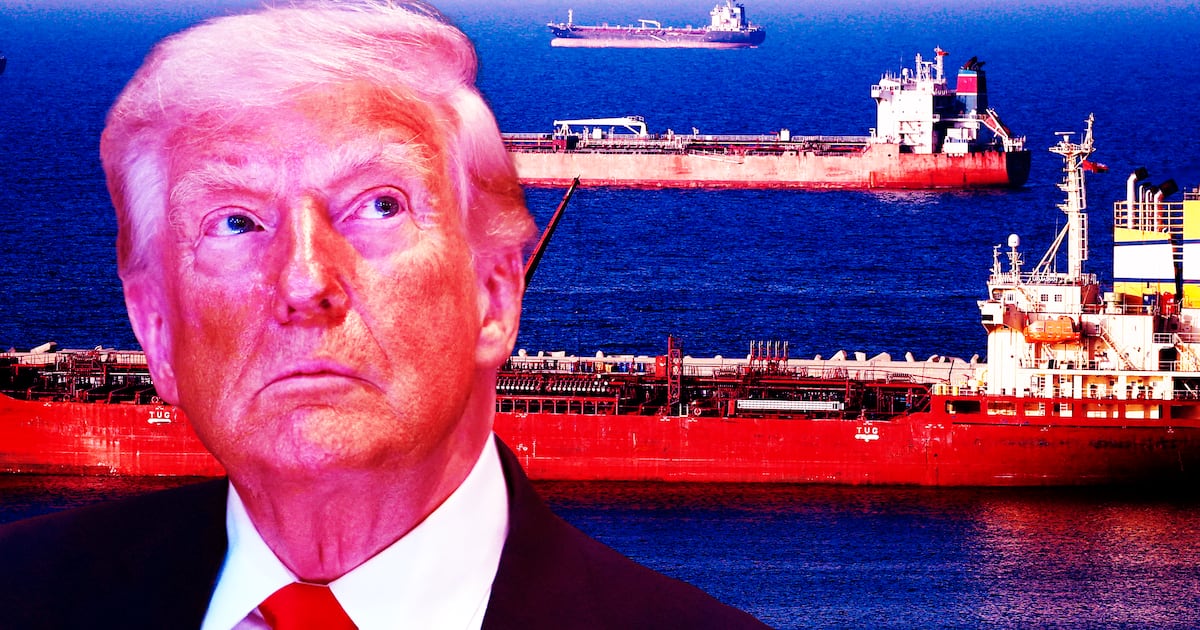
Several European officials are looking to form a broad coalition of countries that can help clear mines or deploy military assets to ensure the safe passage of vessels through the critical waterway, which has been highly restricted since President Donald Trump waged war with Iran.
One of the key differences that Europeans are still trying to work out, however, is whether to get the U.S. involved.

Sources familiar with the discussions told The Wall Street Journal that French diplomats believe American involvement would make the plan less agreeable to Tehran, while British officials fear that leaving out the U.S. would anger Trump and limit the scope of the operation.
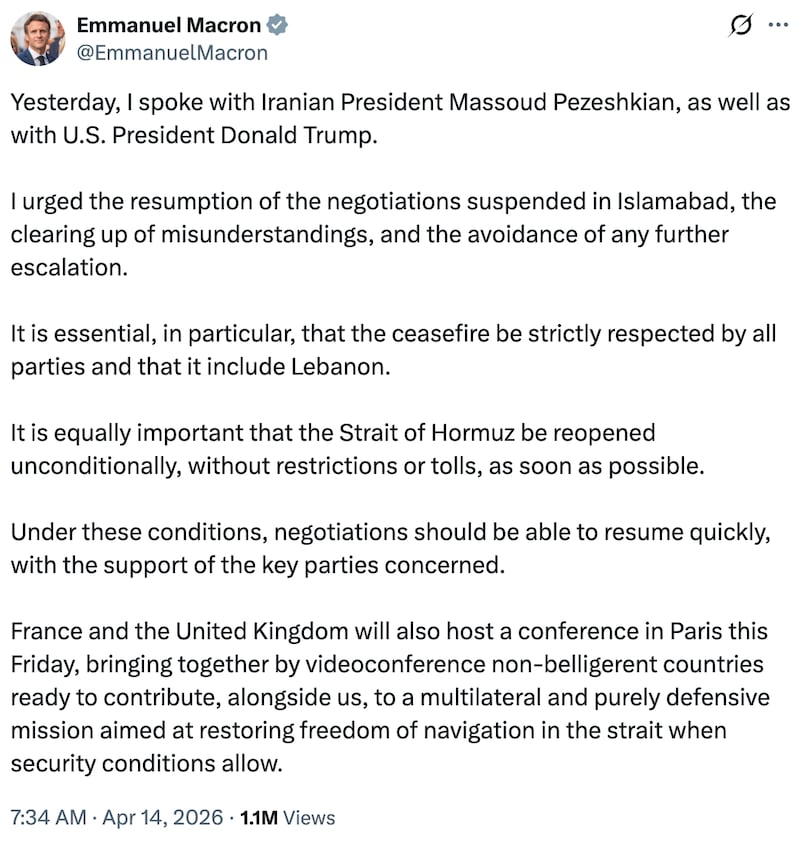
French President Emmanuel Macron announced Tuesday that France and the United Kingdom would host a conference in Paris on Friday, bringing together ”non-belligerent countries ready to contribute, alongside us, to a multilateral and purely defensive mission aimed at restoring freedom of navigation in the strait when security conditions allow.” The “beligerent” countries include the U.S., Israel, and Iran.
The mission aims to give shipping firms the confidence to pass through the Strait of Hormuz once the war has ended. It would involve working out logistics to allow ships stuck in the strait to leave, a major demining operation to undo sea mines laid by Iran, and setting up a system for regular military escorts and surveillance. European ships would not be under American command, diplomats familiar with the plan told the Journal.
“The mission we are referring to could only be deployed once calm has been restored and hostilities have ceased,” French Foreign Minister Jean-Noël Barrot said Tuesday.
The Journal reported that the operation is likely to include Germany, which could commit to the plan as soon as this week despite strict constitutional limitations around such military deployments. The government would first need to secure parliamentary authorization to join a mission in the Strait of Hormuz.

When reached for comment, the White House maintained that the U.S. is “putting a stop to Iran’s efforts to extort the entire world and its people by holding the Strait of Hormuz hostage.”
“Once the threat posed by Iran’s nuclear ambitions is eliminated and the Strait is open to all traffic, the entire world will be safer and more stable,” White House spokesperson Anna Kelly said. “In the meantime, many ships are diverting to the big, beautiful Gulf of America, where the United States is fully stocked and ready to supply the world with energy and other resources. The United States Navy has more than enough resources and assets to restore freedom of navigation in the Strait itself and does not need help from any other country.”
Trump has repeatedly raged at NATO, which includes France and the U.K., for refusing to join the U.S. and Israel in the war with Iran.
“None of these people, including our own, very disappointing, NATO, understood anything unless they have pressure placed upon them!!!” he wrote in a Truth Social post last week.
When Trump announced a plan to block Iranian ports, NATO allies remained firm in their decision not to get involved.
“We’re not supporting the blockade,” British Prime Minister Keir Starmer told the BBC. “My decision has been very clearly that whatever the pressure, and there’s been some considerable pressure, we’re not getting dragged into the war.”